Effective Kitchen Update Costs
Revitalize Your Home: Essential Facts Regarding Home Renovation Work for All Property Owners
Property owners frequently look for ways to improve their residences via professional remodeling. These projects can range starting with kitchen improvements to comprehensive home makeovers. Knowing the choices accessible is crucial for making sound choices. Additionally, there are real-world factors including financial planning and choosing the right builder. As householders start this endeavor, they may run into unforeseen difficulties. The key to a successful transformation depends on meticulous preparation and performance. What steps should be taken next?
Understanding the Different Types of Home Remodeling Services
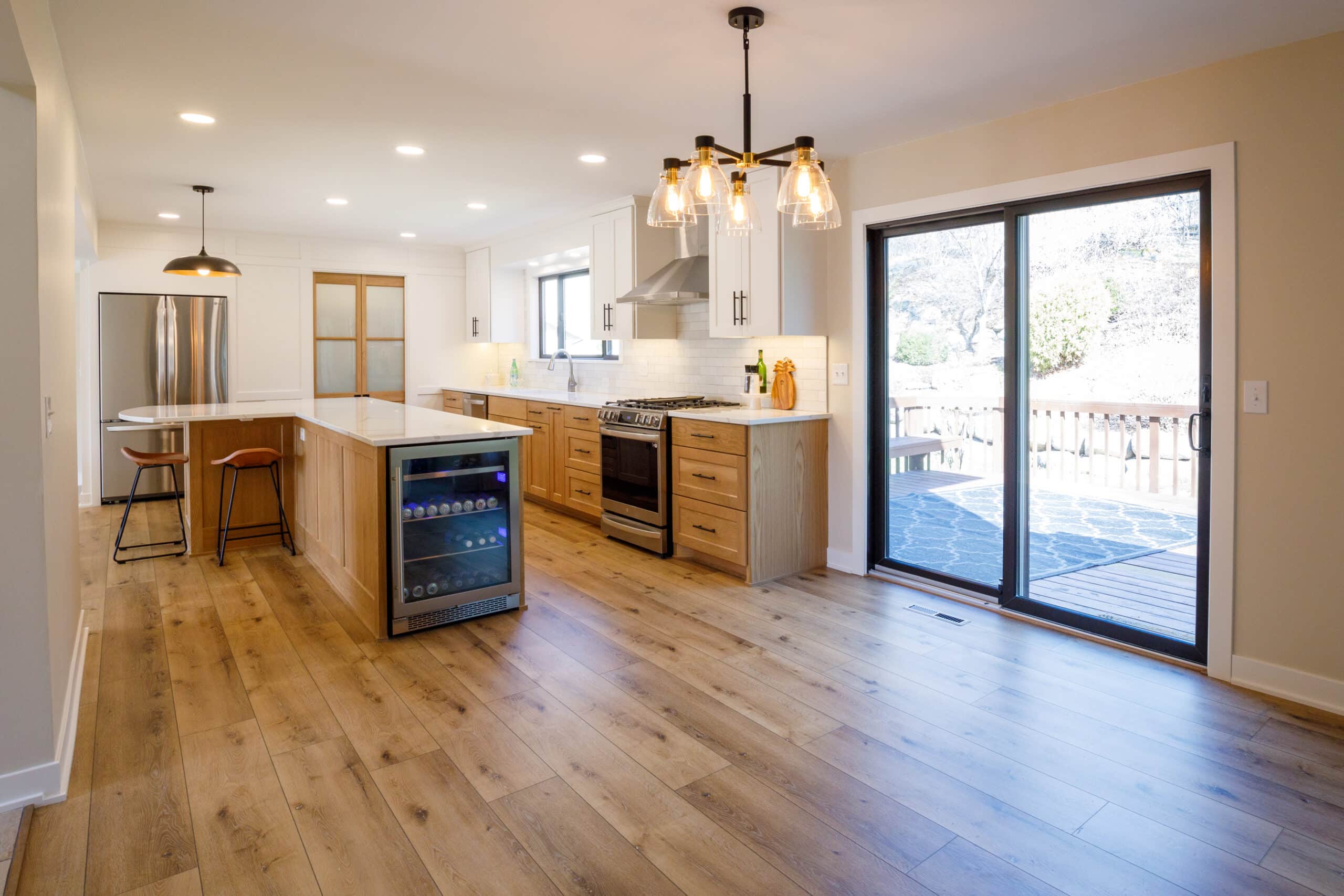
As householders look to improve their homes, they typically find numerous renovation options tailored to different needs and preferences. These projects are generally grouped into a few distinct groups, all dealing with certain elements of house upgrades. Kitchen renovations center on upgrading equipment, cabinetry, and the design to improve usability and the look. Renovating the bathroom usually includes improving the fittings, tiling, and storage solutions for improved comfort and design.
Full-house renovation covers extensive modifications to the entire house, sometimes requiring major structural work to make the most of the space and layout. Outdoor renovation projects, on the other hand, focus on boosting the property's street view, dealing with the cladding, the covering, and the garden design. Furthermore, specific options like basement finishing and attic conversions help residents make the most of unused areas. Every renovation category delivers specific perks, allowing property owners to select choices that align with their vision for their residence. Knowing these variations is vital for making informed decisions throughout the remodeling project.
Setting a Realistic Budget for Your Remodeling Project
How do property owners make certain their home upgrades are kept financially viable? Creating a sensible budget is essential. Homeowners should begin by assessing their monetary resources, including savings and potential financing options. This first stage helps establish the funds available for the updating project without jeopardizing other monetary duties.
Next, homeowners must research the costs associated with their desired renovations, taking into account materials, labor, and unexpected costs that frequently occur. Creating a detailed list of priorities will assist in identifying must-haves versus nice-to-haves, allowing for adjustments if the budget tightens.
It's wise to include a contingency fund, generally 10-20% of the entire budget, to account for surprise expenditures. Periodically examining and tweaking the budget throughout the remodeling process can also help maintain financial control. Ultimately, a well-planned budget ensures the project is feasible and makes the whole updating experience better for those living in the home.
Choosing the Right Contractor to Suit Your Project.
Finding a suitable builder can greatly impact how well a renovation turns out. Property owners ought to start by doing comprehensive research, asking for referrals from friends, family, or internet reviews. It’s vital to verify credentials, such as licenses, insurance, and surety bonds, to confirm legitimacy.
Once potential contractors are identified, property owners must ask for comprehensive quotes and schedules, facilitating well-grounded side-by-side evaluations. Meeting with them offers a look at their manner of communicating and their professional conduct, which are essential for a collaborative process.
In addition, looking at completed jobs through galleries or recommendations demonstrates the professional's skill level. Property owners must also ask about guarantees or assurances, which shows the professional's belief in their output.
In the end, choosing a professional who matches the homeowner's goals, finances, and schedule creates a better renovation journey, making certain the outcome satisfies needs and changes the space as intended.
Structuring and Laying Out Your Perfect Area.
As those renovating imagine their desired rooms, thorough preparation and well-considered layout become essential components of a successful remodeling project. The beginning stage requires reviewing existing necessities and future desires, to gain a complete comprehension of the area's utility. Owners must take into account functionality, aesthetics, and their individual taste, making sure the design captures their unique preferences.
Following this, establishing a thorough budget is crucial. This budget should cover materials, labor, and possible unexpected costs. Engaging with design professionals can give meaningful advice, assisting in improving the layout and respecting budgetary constraints.
Integrating components like natural light, open layouts, and eco-friendly supplies check this resource can improve the final result. Lastly, visualizing the project through mock-ups or 3D visualizations can aid in refining ideas before implementation. By approaching the planning and design phase with intention, homeowners can design a welcoming, practical area suited to their way of life.
Dealing with Permits and Building Codes in House Renovation
Understanding the complexities of permits and regulations can be intimidating for homeowners beginning a home improvement project. Every local government sets particular guidelines that determine what is allowed during renovations, typically guided by area restrictions, building codes, and security requirements. It is essential for homeowners to understand local regulations to avoid costly fines or project delays.
In most cases, getting permits is mandatory for significant alterations, such as modifying load-bearing elements or electrical work. This process often involves submitting plans for review and could involve check-ups at multiple points.
Engaging a knowledgeable contractor can simplify this process, as they are typically experts in municipal rules and can aid in filing necessary forms. Owners must also maintain clear communication with local building departments to verify legality throughout the project. By grasping and navigating these regulations, homeowners can fulfill their improvement aims and maintaining compliance with the law in their renovations.
FAQs
How Much Time is Needed for a Typical Remodeling Job?
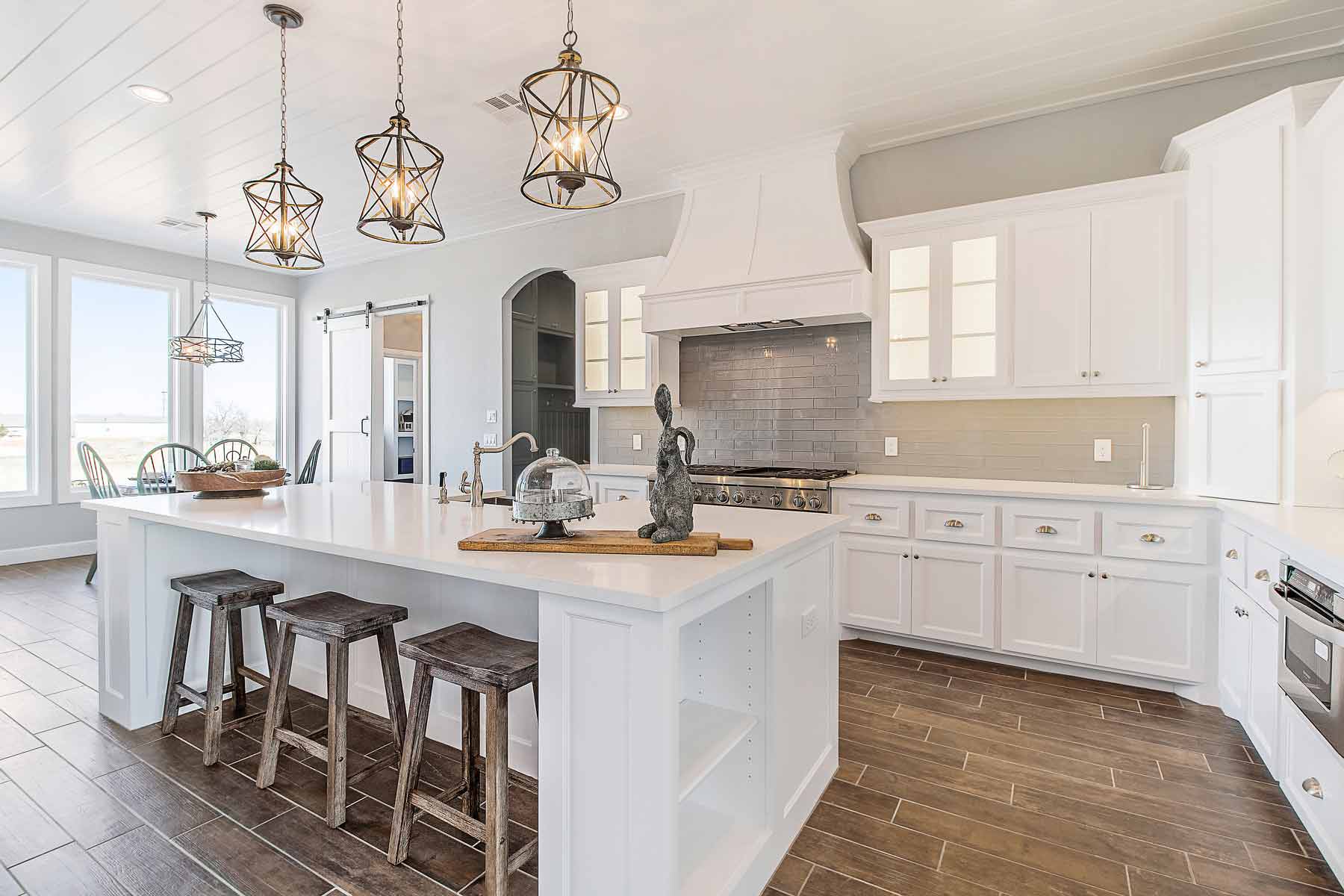
The average remodeling job typically spans between three to six months, depending on the scope of work, scale of the house, and material lead times. Complex projects may require additional time for completion.
What's the best way to avoid typical errors that people make when renovating?
Frequent errors during remodeling are things like miscalculating costs, ignoring necessary permits, missing scheduled deadlines, poor communication with contractors, and not considering long-term functionality. Understanding these dangers can lead to a smoother, more successful remodeling experience.
How do I choose the right materials for the job?
Choosing the right materials involves evaluating how long they will last, visual appeal, and financial limits. Researching options, consulting professionals, and considering maintenance needs are vital steps in reaching educated conclusions, ensuring the project aligns your needs and preferences.
Will I be able to reside in my property during renovations?
Yes, one can live in the house while work is ongoing, but it may lead to inconvenience. Careful planning, maintaining open dialogue with your builders, and setting aside certain zones for daily use can help minimize disruption throughout the project.
What guarantees should I look for from remodeling contractors?
Homeowners should expect warranties that guarantee the quality of the work, the products installed, and key building elements, often covering a period of one to ten years. It is crucial to review the fine print and details alongside your builders to understand coverage and limitations fully.